Libraries of the Future
10 Jul 2026Today, I visited a library, and it made me think about knowledge.
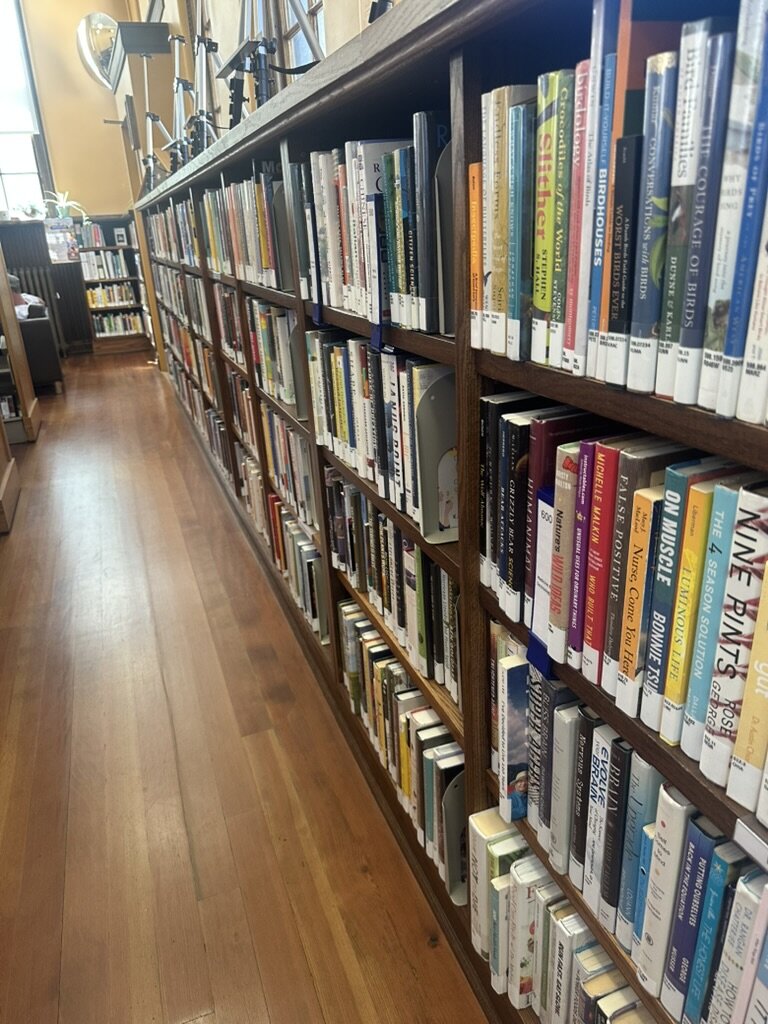
It was my children’s first time entering one. Crazy, right?
I grew up going to the library, and I still remember the yellow library card I had. My children spent two hours there today, enthralled by the number of books available to them.
We now have access to an incredible amount of knowledge on the web. In many ways, it has become a data library.
For decades, we stumbled upon websites, ifykyk, the same way my kids moved through the shelves today. They would grab a book, flip through the pages, and then either put it back or sit down and read.
Search helped catalog the web and gave us a better way to find what we were looking for. But now, I wonder what the future of knowledge will look like.
If AI can give me a summary of every book I saw today and wanted to read, what knowledge do I actually walk away with?
If I slowed down, read the whole book, wrote notes, and dog-eared the pages, would I have a deeper grasp of the ideas?
I think reading books remains an important skill to develop. A book asks more of us than a summary does. It asks us to stay with an argument, follow its turns, and let an idea take enough time to become our own.
After watching my children read today, I settled on a few positions.
- Curiosity and the ability to learn remain incredibly important to humanity. Those who read books will have superpowers.
- We have long had access to vast amounts of knowledge, but AI now gives us the capacity to interact with it, connect it, and apply it in ways that were previously impossible.
- Access to knowledge is not the same as understanding it. AI can help us find answers faster, but we still need the patience, judgment, and curiosity required to learn deeply.
- This will change how we store knowledge, how we discover it, and how we use it to build the future. Our schools, companies, and systems will need to shift structurally to handle that future well.
I am building things at Symph with AI that I hope can become part of the libraries of the future. Not just systems that provide answers, but systems that help people discover, understand, and use knowledge well.
I hope that the future we build is bright for my children.